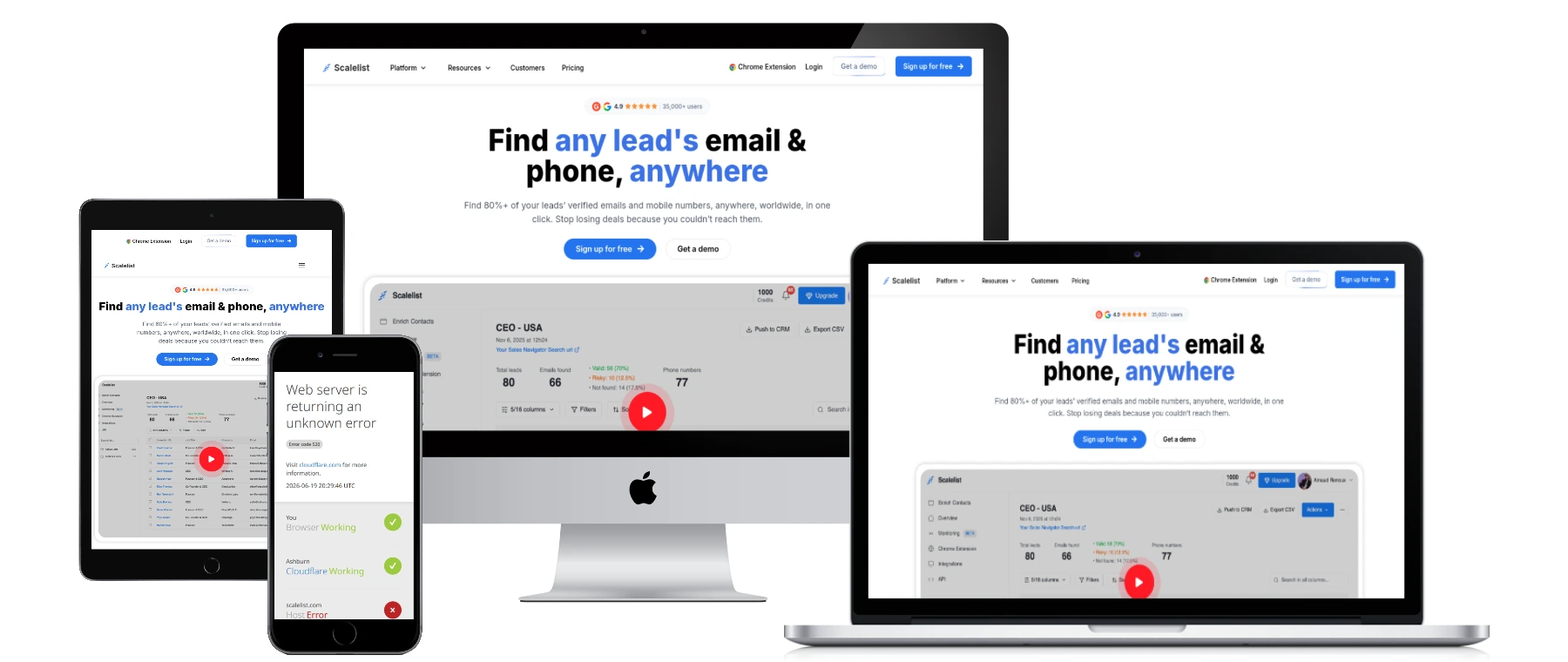
Scalelist
Home/Case Studies/Scalelist
WordPress Development

ScalelistSaaS website overhaul that significantly increased user conversions

Client overview

A growing SaaS platform that needed a website built to scale

Client
Scalelist
Industry
B2B SaaS / Sales Intelligence
Platform
WordPress + Elementor
Target Audience
Sales, Outbound & RevOps Teams
Service Provided
WordPress Development & Integration
Core Development
Elementor, ACF, Custom Post Types
Forms & Automation
WordPress Forms, Slack & HubSpot
Integrations & Configuration
Form Data Routing, Slack Channel Notifications, HubSpot Data Mapping & Third-Party Integrations
Additional Focus
Responsive UX, Custom Sections, Content Management, Performance & Technical Configuration
The Challenge

Building a flexible WordPress system behind a growing SaaS website.

Scalelist needed more than a collection of marketing pages. The website had to handle structured product and company information, support multiple content types, and connect website interactions with the tools already used by the team.

Complex Content Architecture

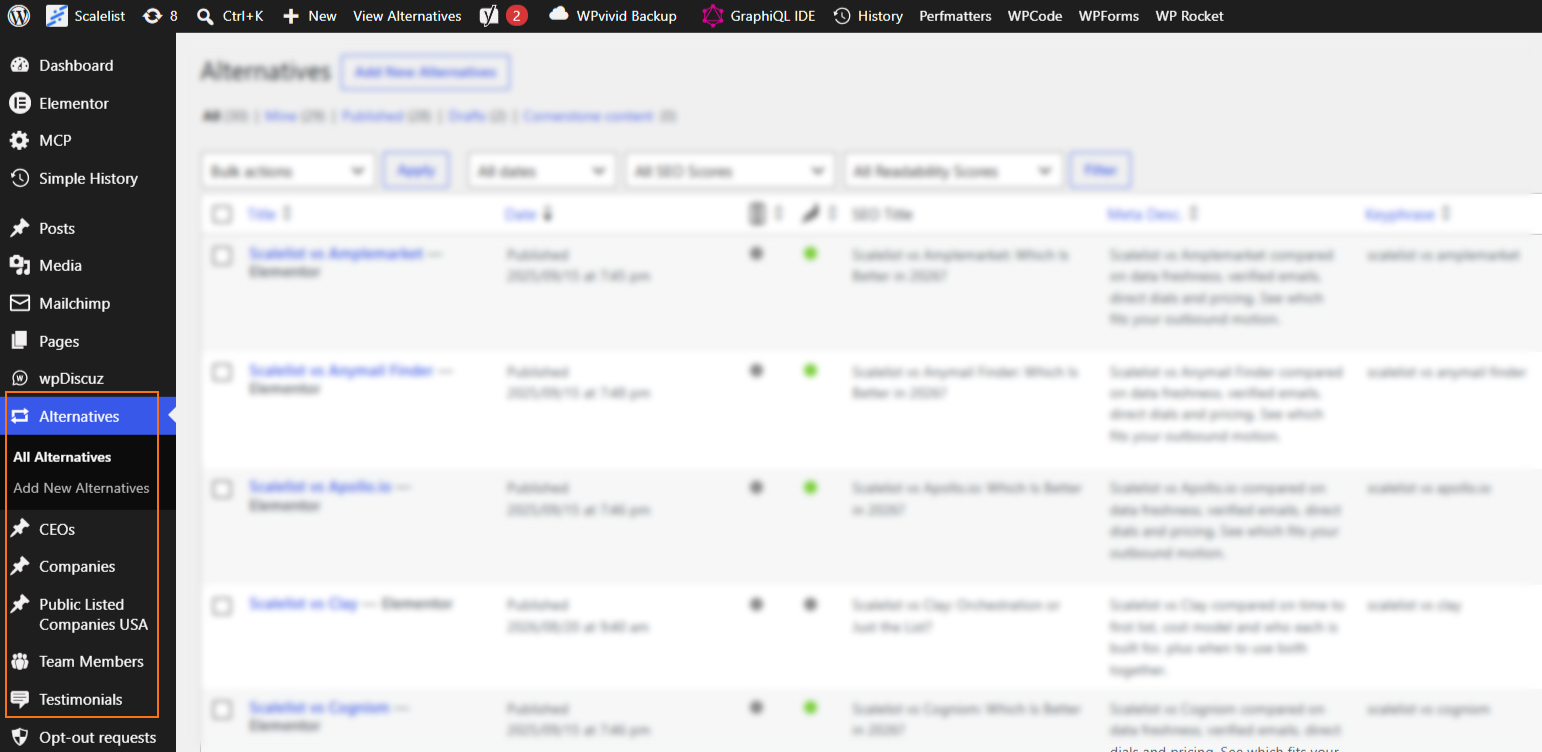
Multiple content types—including Companies, Public Listed Companies, CEOs, Alternatives, and Testimonials—required a structured and maintainable WordPress content model.

CRM & Communication Workflows

Form submissions needed to be routed to designated Slack channels while also being synchronized with the client's HubSpot CRM, without adding unnecessary manual steps.

Structured Data & Reusable Components

The growing website needed reusable Elementor sections and structured content patterns so pages could remain consistent, flexible, and easier to maintain.

Responsive & Maintainable Front-End

Content-heavy layouts, navigation, forms, and calls to action needed to work consistently across desktop, tablet, and mobile without compromising maintainability.
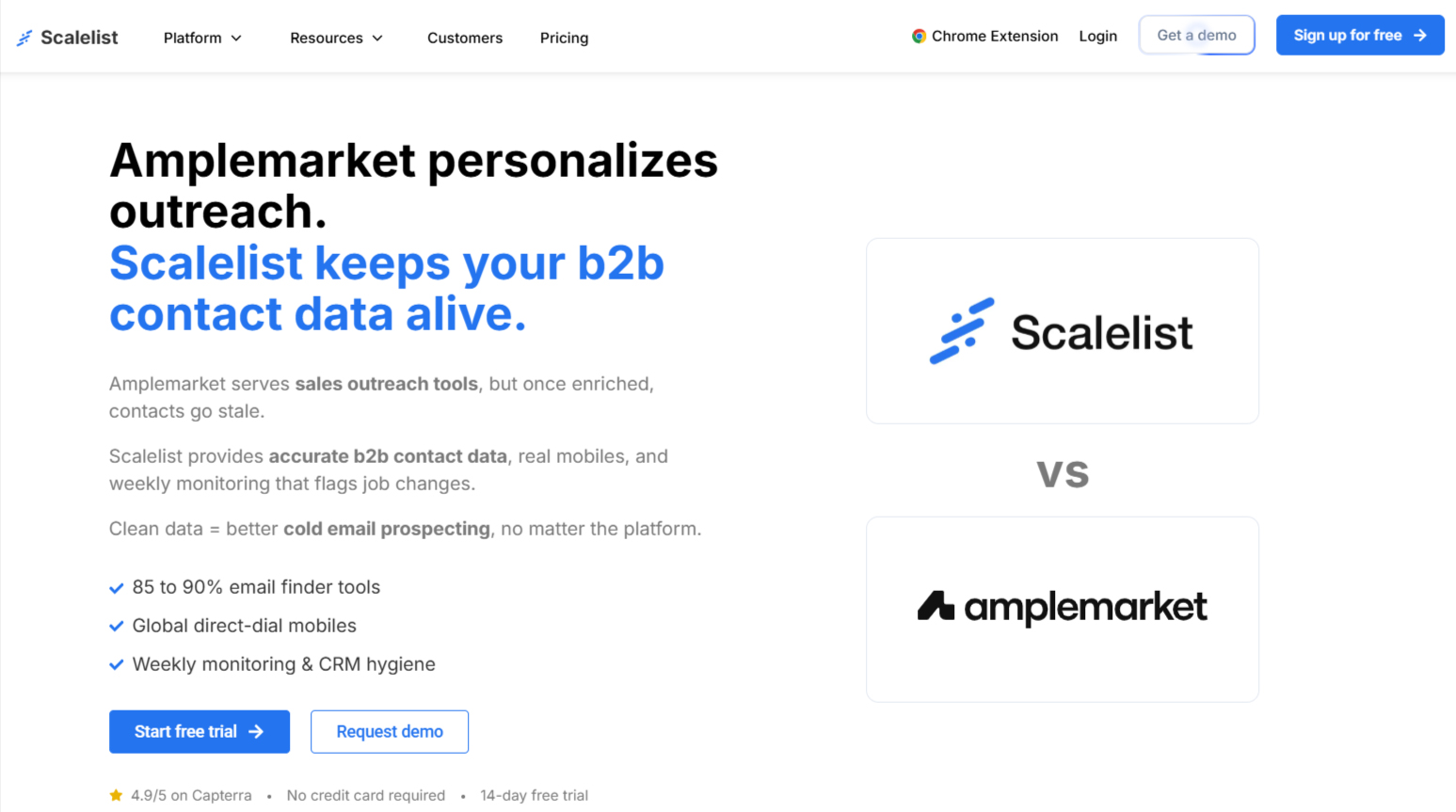
Scalelist-CPT-Page
The Solution

A structured WordPress architecture built around scalability.

The solution was to build a structured WordPress foundation that separated content, presentation, and integrations—making the website easier to manage today and extend as Scalelist grows.

Structured WordPress Architecture

Created dedicated Custom Post Types for Companies, Public Listed Companies, CEOs, Alternatives, and Testimonials, with ACF fields providing structured and reusable content.

Custom Post TypesACFWordPress

Automated Business Workflows

Connected WordPress forms with designated Slack channels and HubSpot, mapping submission data into the client's existing communication and CRM workflows.

WordPress FormsSlackHubSpot

Reusable Elementor Components

Developed reusable sections and content patterns to maintain visual consistency while making future pages and content easier to create and manage.

ElementorReusable SectionsResponsive UI

Responsive & Performance-Focused Build

Optimized layouts, navigation, forms, and content-heavy sections across devices while keeping the WordPress implementation clean, lightweight, and maintainable.

Mobile OptimizationPerformanceUX
Scalelist Dashboard
Key features developed

What was built and integrated

🧩Structured content architecture with custom post types for companies, public listed companies, CEOs, alternatives, and testimonials, providing a scalable foundation for managing recurring content
⚙️Custom fields and content management with ACF — structured data, reusable field groups, and flexible content sections designed to keep frequently updated information easy to manage
📨WordPress form workflows connected to internal communication channels, routing relevant submissions to designated Slack channels for faster team visibility and follow-up
🔗HubSpot integration for capturing website form submissions, with submitted fields mapped to the appropriate CRM properties and records within the existing sales workflow
🧱Reusable Elementor sections and page components for consistent layouts, allowing new content and pages to be created without rebuilding common design elements from scratch
📱Responsive front-end implementation across desktop, tablet, and mobile, with careful attention to navigation, content hierarchy, forms, spacing, and overall usability
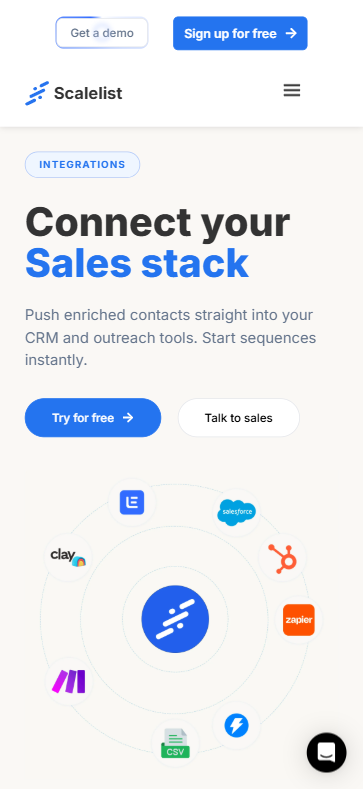
Scalelist Home Mobile
Scalelist Integration
Results & impact

What changed — in practice

The project introduced a more structured WordPress foundation for Scalelist, connecting content management, website forms, internal notifications, and CRM workflows into a more maintainable system.
6
Custom content types
Dedicated Custom Post Types were created for Companies, Public Listed Companies, CEOs, Alternatives, and Testimonials, giving each content type its own structured foundation.
2
Business integrations
Website form workflows were connected with Slack and HubSpot, allowing submissions to flow into the client's existing communication and CRM processes.
1
Connected form workflow
Form submissions were structured to capture the required information once and route it to the appropriate internal systems without relying on separate manual entry.
100%
Responsive implementation
Core layouts, navigation, forms, content sections, and calls to action were developed and refined for desktop, tablet, and mobile experiences.
Custom content types6
Business integrations2
Content architectureACF + CPT
Form workflowSlack + HubSpot
Responsive coverage100%
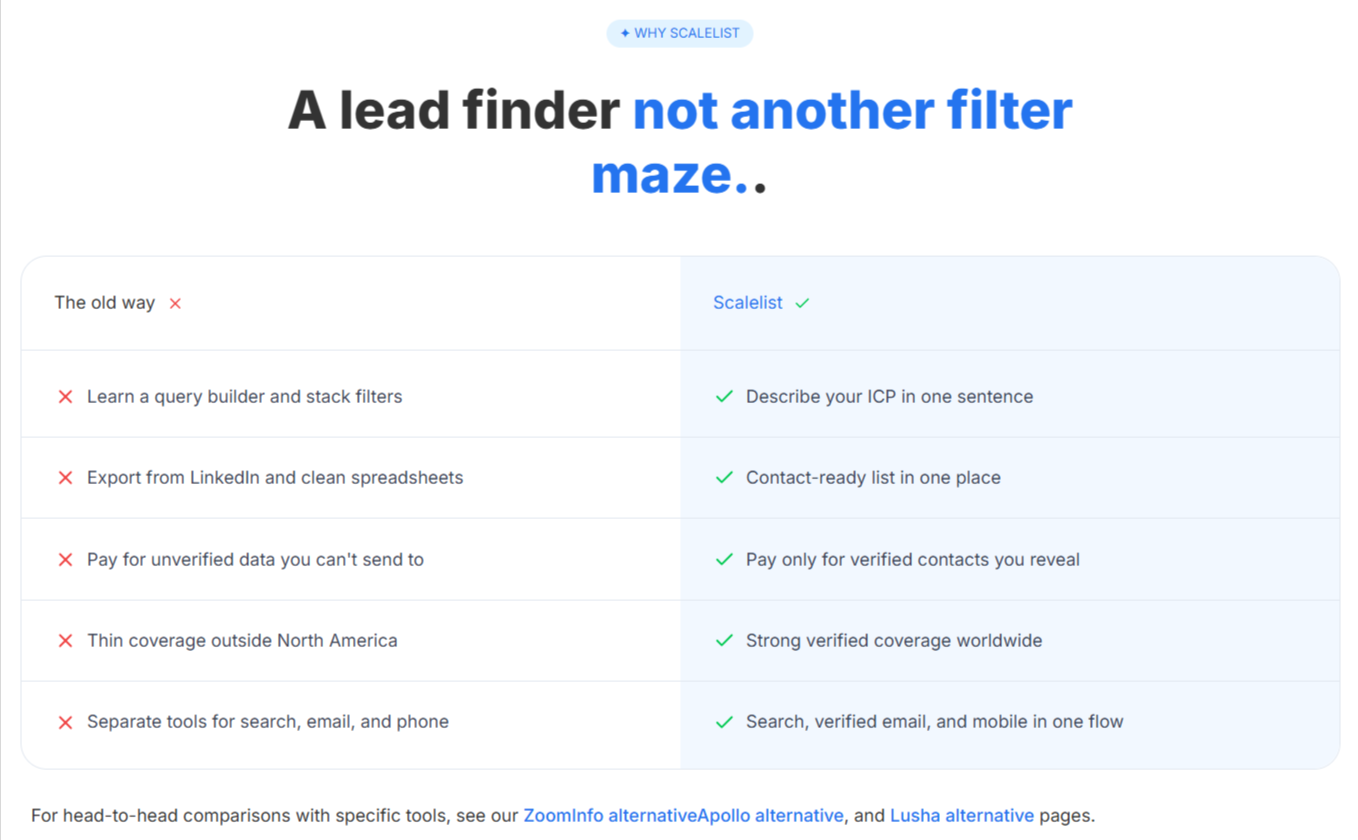
why scalelist

Aqeel did a great job with the Scalelist website. He handled the WordPress development, custom content structure, and integrations with Slack and HubSpot really well. He was easy to work with, understood what we needed, and made sure everything worked properly across the site.

Arnaud RenouxScalelist
Key takeaways

What made the difference

Structure matters when a SaaS website starts to grow.

Using Custom Post Types and ACF gave Scalelist a more organized way to manage companies, public listed companies, CEOs, alternatives, and testimonials without relying on disconnected page content.

Integrations should fit the team's existing workflow.

Connecting WordPress forms with designated Slack channels and HubSpot reduced the need to manually move submitted information between systems and made website enquiries easier for the team to follow up.

Reusable components make WordPress easier to scale.

Building reusable Elementor sections alongside structured content meant the website could evolve without repeatedly rebuilding the same layouts. The result was a more consistent front-end and a more manageable WordPress backend.

Let’s work together

Got a WordPress project that needs to actually work?

Tell me what you’re building. I’ll give you a straight answer on fit and what it takes.