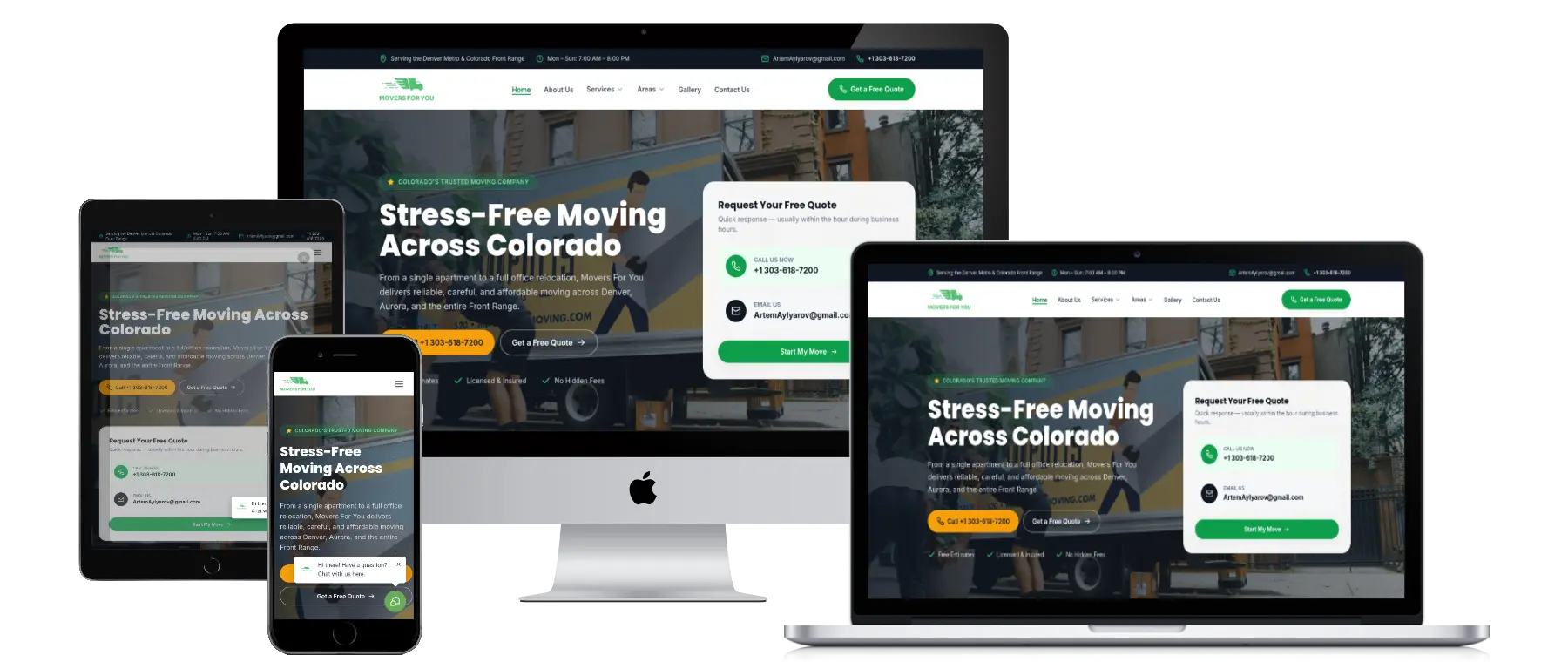
 WordPress
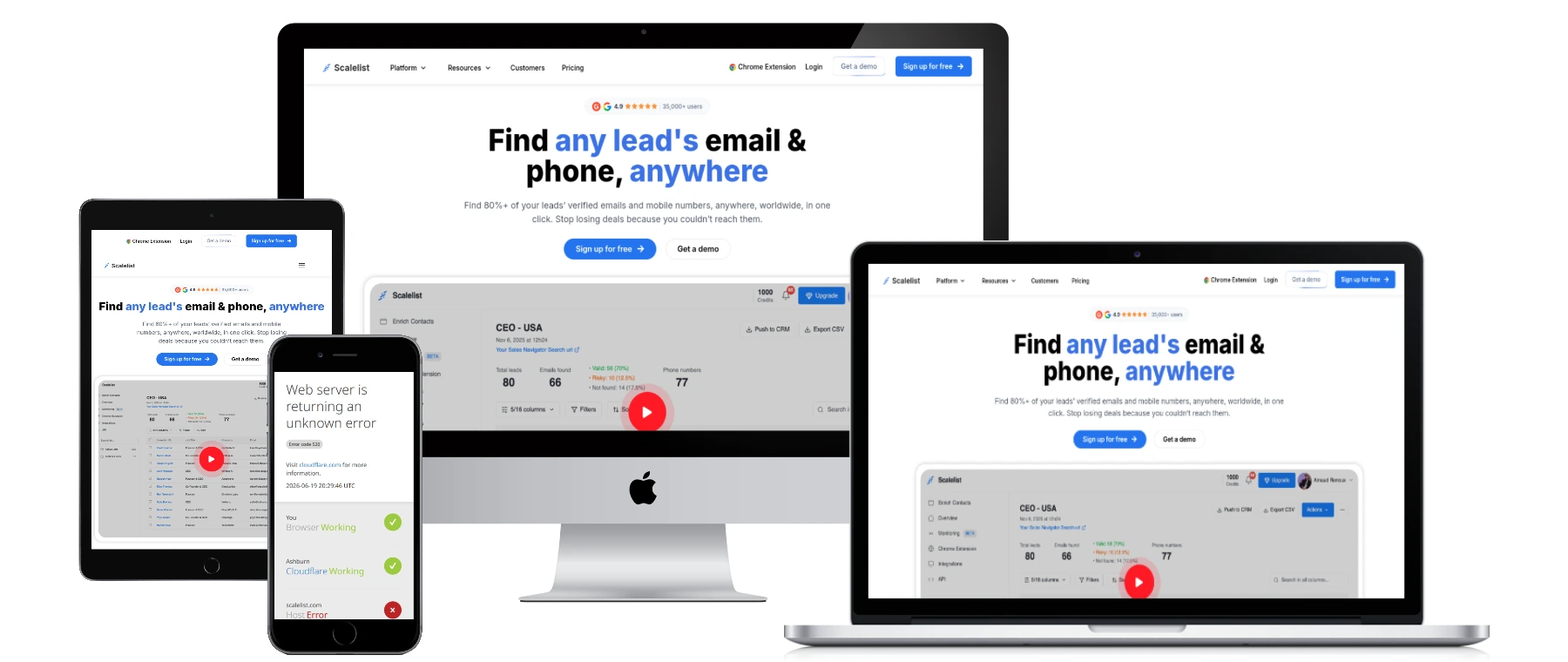
Scalelist
Page speed optimization, conversion-focused UX, lead generation improvements
95% qualified lead growth
Scalelist needed more than a collection of marketing pages. The website had to handle structured product and company information, support multiple content types, and connect website interactions with the tools already used by the team.
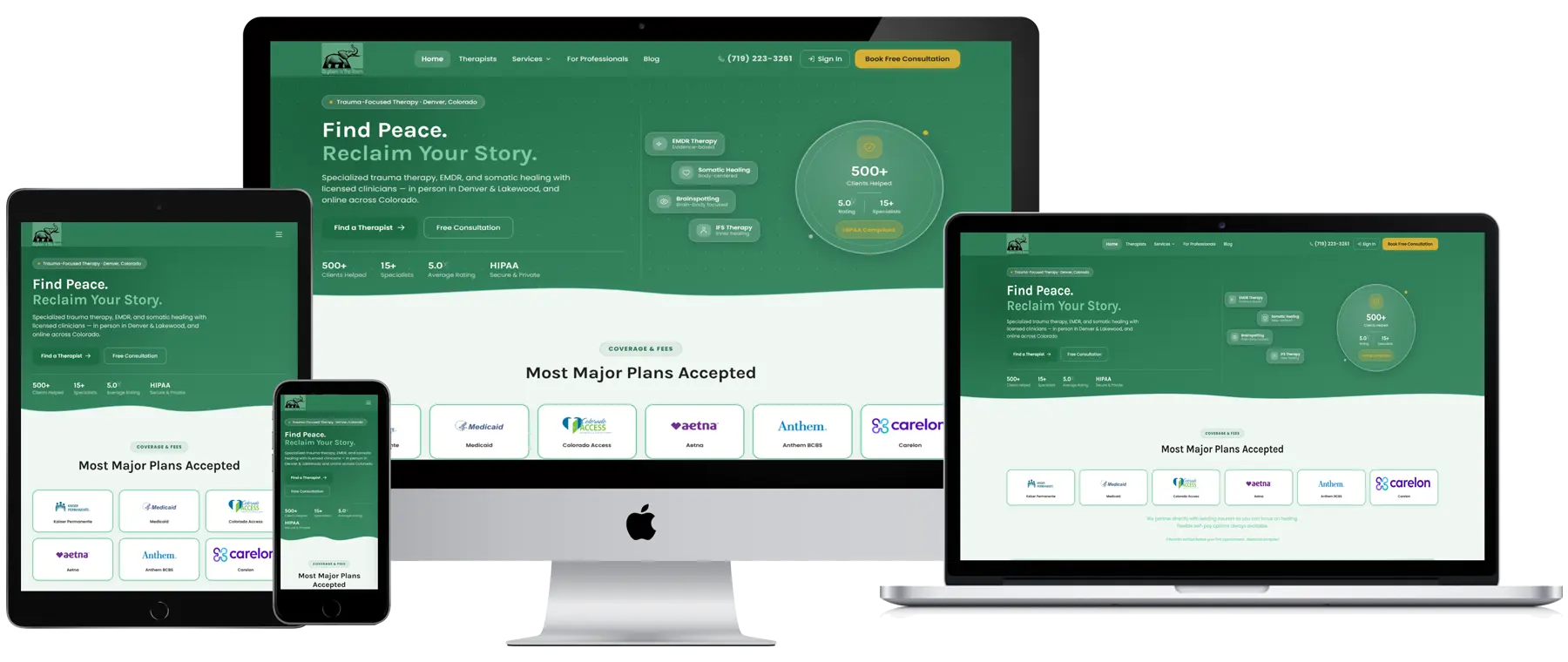
The practice offers numerous therapy modalities, each requiring its own explanation and context. The website needed a clear service architecture that allowed visitors to explore individual treatments while still understanding the broader approach to trauma-focused care.
Visitors may have different needs when choosing a therapist. The website needed to make clinician information easier to explore while connecting therapist discovery with the services and treatment approaches offered by the practice.
The business serves clients in person in Denver and Lakewood while also offering telehealth across Colorado. The experience needed to communicate these options clearly and guide visitors toward an appropriate next step, including consultation and therapist discovery.
Mental health websites require a particularly careful approach to trust and usability. Information around services, insurance, self-pay, privacy, and telehealth needed to be presented clearly so prospective clients could make informed decisions before contacting the practice.
The solution was to build a structured WordPress foundation that separated content, presentation, and integrations—making the website easier to manage today and extend as Scalelist grows.
Developed the website in Next.js using reusable components and structured page patterns, making it easier to maintain consistent layouts across service, clinician, location, and informational pages.
Organized the practice's wide range of therapeutic approaches into dedicated service experiences, giving visitors a clearer way to understand treatments such as EMDR, Brainspotting, Somatic Experiencing, CBT, and other modalities.
Created clearer pathways for exploring therapists and understanding where care is available, supporting both local in-person services and statewide telehealth access.
Structured calls to action around practical next steps such as finding a therapist, requesting a consultation, and contacting the practice, while keeping the experience appropriate for a sensitive healthcare context.
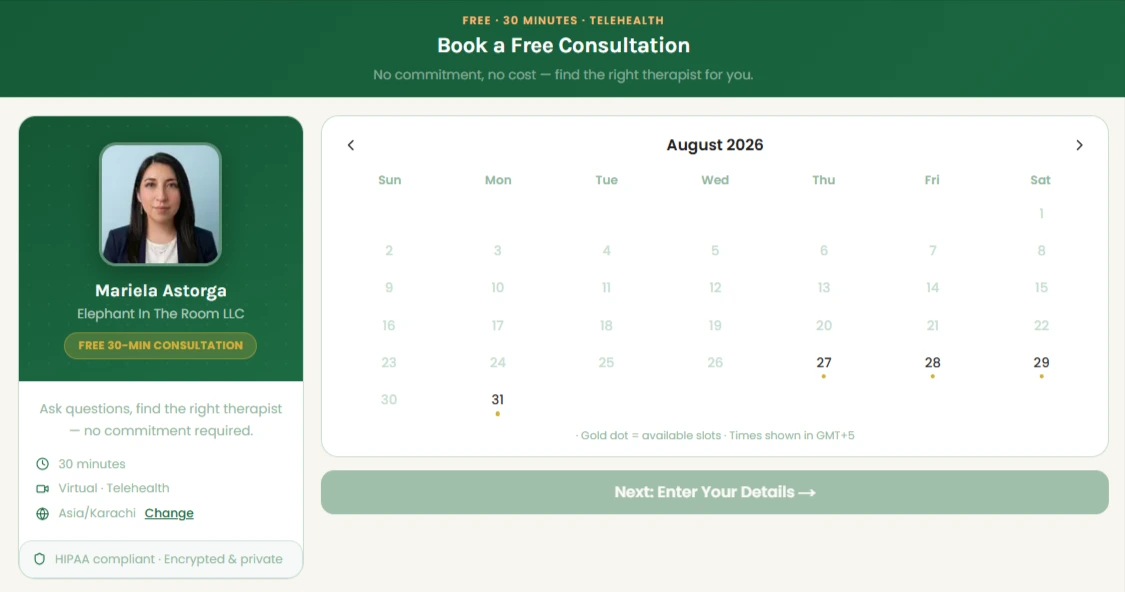
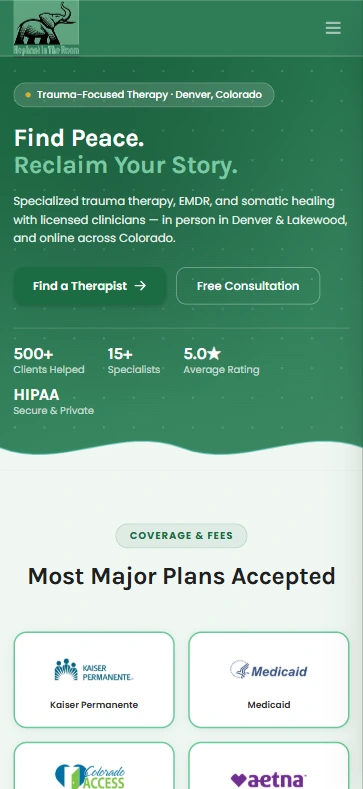
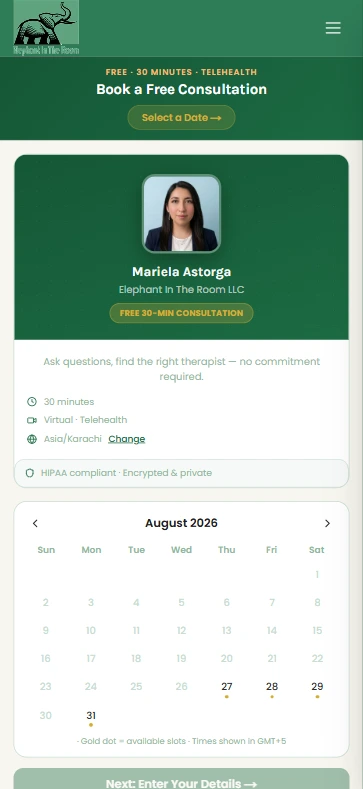
The project introduced a more structured WordPress foundation for Scalelist, connecting content management, website forms, internal notifications, and CRM workflows into a more maintainable system.
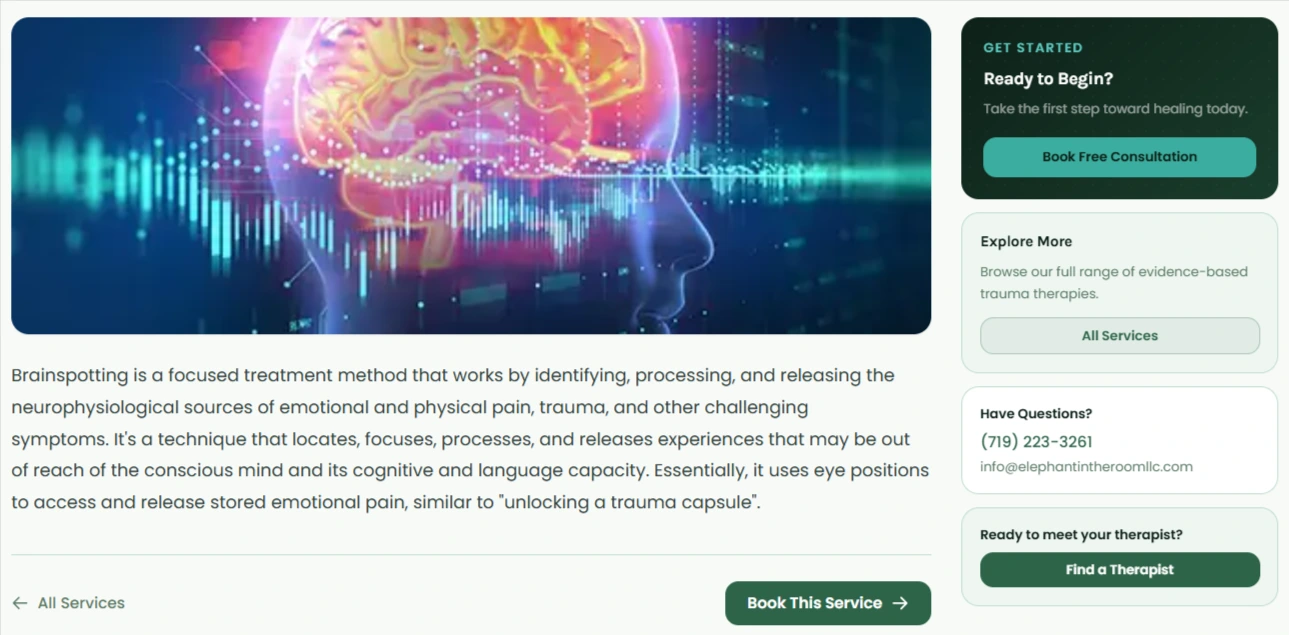
Specialized services need clear information architecture.
With numerous therapy modalities and treatment approaches, the website needed more than attractive presentation. Structuring services into clear, understandable experiences made it easier for visitors to explore the type of support they were looking for.
The user journey should reflect how people actually seek care.
Someone visiting a mental health website may not know which therapy or clinician is right for them. Providing pathways through services, clinicians, locations, telehealth, and consultation gives visitors multiple ways to find the information they need without forcing everyone through the same journey.
Next.js provided a flexible foundation for a content-heavy experience.
Using reusable Next.js components allowed different parts of the site to maintain a consistent interface while supporting distinct content types and page experiences.
Tell me what you’re building. I’ll give you a straight answer on fit and what it takes.